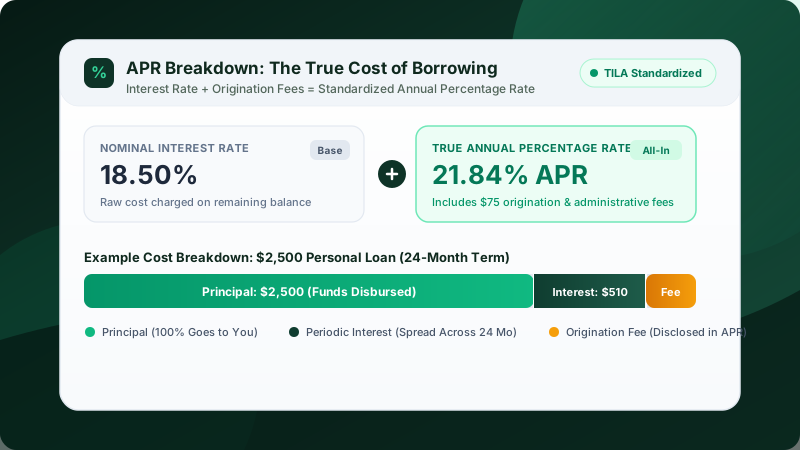
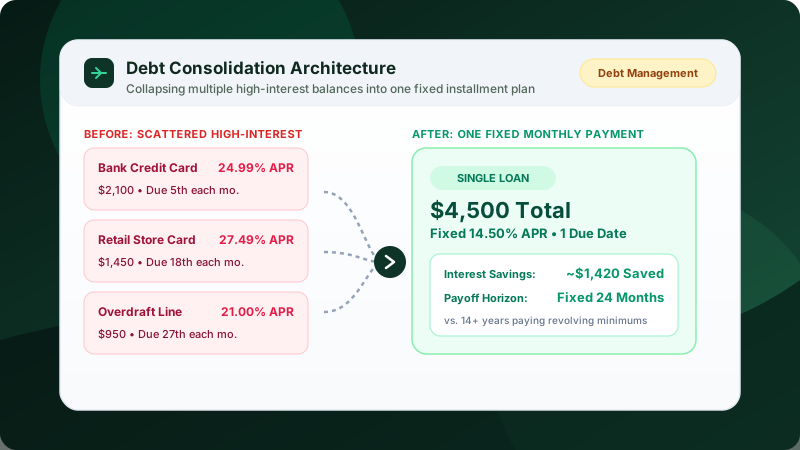
Studies show that over 40% of Americans cannot cover an unexpected $400 expense with cash from checking or savings. This absence of cash buffer is the primary reason why households find themselves turning to emergency loans for car repairs or medical bills.
1. Why $1,000 is the Magic Financial Buffer
A starter emergency fund of $1,000 isn't designed to support six months of unemployment—it is specifically engineered to absorb the most common household shocks:
- An emergency brake replacement or blown radiator ($350 - $750)
- An urgent dental extraction or emergency clinic co-pay ($200 - $600)
- A damaged water heater or emergency plumbing visit ($400 - $900)
Having $1,000 tucked away converts an urgent emergency into a minor inconvenience, preserving your credit score and eliminating the need to take on high-rate emergency debt.
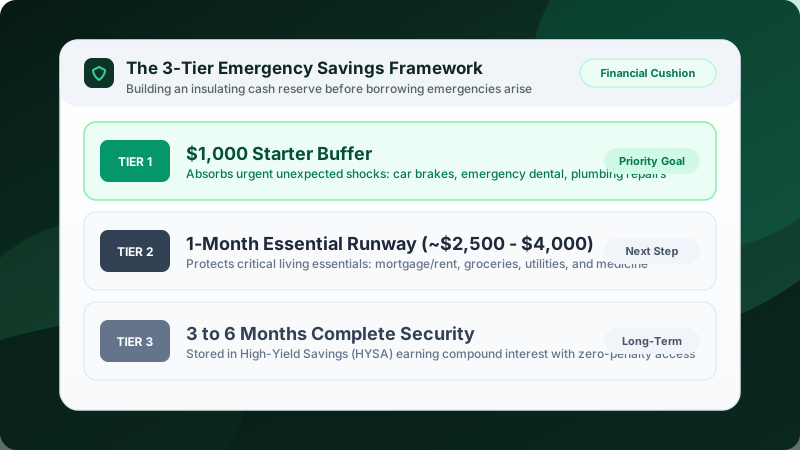
2. The 3-Tier Emergency Safety Net Framework
3. Realistic Micro-Savings Tactics on Any Income
Saving $1,000 can feel overwhelming if your budget is already tight. The secret is breaking it down into automated micro-habits rather than attempting large, unsustainable lump sums:
| Weekly Savings Target | Monthly Accumulation | Time to Reach $1,000 | Daily Equivalent |
|---|---|---|---|
| $15 / week | $60 | ~16 Months | $2.14 / day |
| $25 / week | $100 | 10 Months | $3.57 / day |
| $50 / week | $200 | 5 Months | $7.14 / day |
| $100 / week | $400 | 2.5 Months | $14.28 / day |
Practical ways to unlock $25/week without lifestyle strain:
- Audit Recurring Subscriptions: Cancel streaming services or gym memberships you haven't used in the past 60 days.
- Shop Auto Insurance Rates: Comparing carrier rates often yields $30 to $60 in monthly premium savings.
- Automate on Payday: Schedule an automatic $25 transfer to occur the exact morning your paycheck hits, before funds are available in your primary checking account.
4. Where to Park Your Emergency Fund (and Where Not To)
DO keep it in: A separate High-Yield Savings Account (HYSA) at an FDIC-insured institution with no monthly maintenance fees. Keeping it at a different bank from your primary checking adds just enough friction to prevent impulsive spending while remaining accessible within 24 to 48 hours.
DO NOT keep it in:
- Your everyday checking account (where it will inevitably get swallowed by routine expenses).
- Volatile investments like stocks or crypto (which could drop 20% right when an emergency occurs).
- Physical cash hidden at home (vulnerable to theft, fire, or lack of insurance).
5. What Constitutes a True Emergency?
Before withdrawing money from your buffer, use the Emergency Triage Test:
- Is it unexpected? (Holiday gifts or annual insurance premiums are not emergencies; car engine failures are.)
- Is it urgent? (Can it wait until your next regular paycheck without causing health, safety, or employment loss?)
- Is it necessary? (Will skipping this cost result in legal penalties, eviction, or inability to travel to your job?)
6. What If You Face an Emergency Before You Have $1,000?
If an unforeseen crisis occurs before your emergency fund is built, handle the situation methodically:
- Negotiate First: Hospitals, mechanics, and utility companies often offer zero-interest hardship payment plans if you ask before the account goes past due.
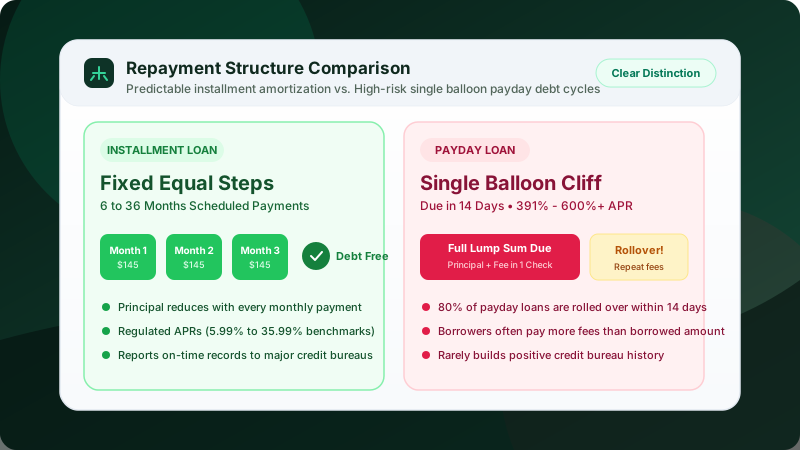
- Compare Installment Options Over Payday Loans: If you must borrow, prioritize personal installment loans with equal monthly payments and clear APR disclosures over single-balloon payday loans that risk recurring rollover cycles.
- Rebuild Immediately: Once the emergency is satisfied, re-establish your automated savings goal to prepare for the next challenge.
Explore Transparent Financial Tools
Whether calculating a future loan or exploring responsible installment options, we provide clear tools to keep you in control.